LeadEngine
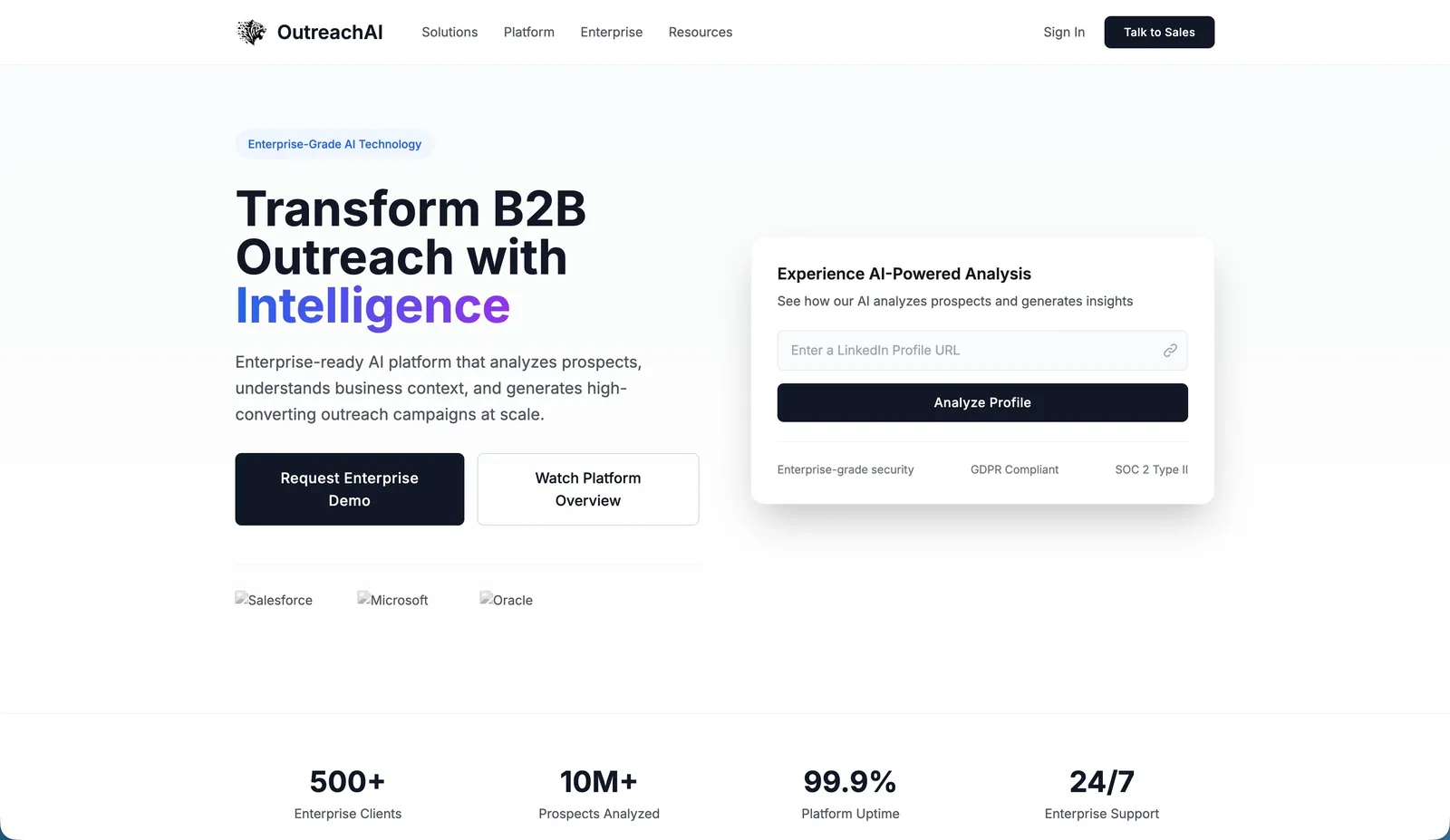
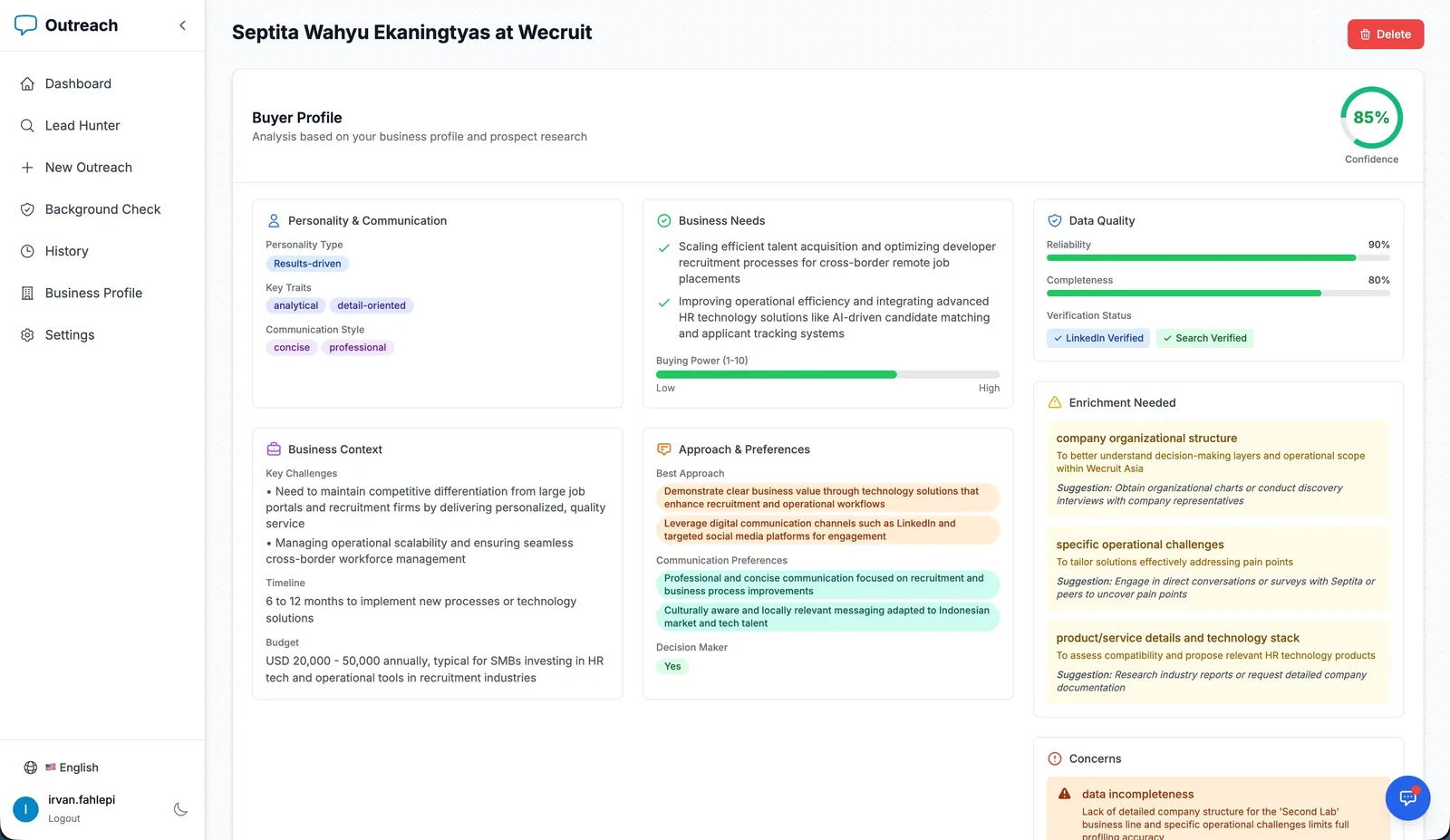
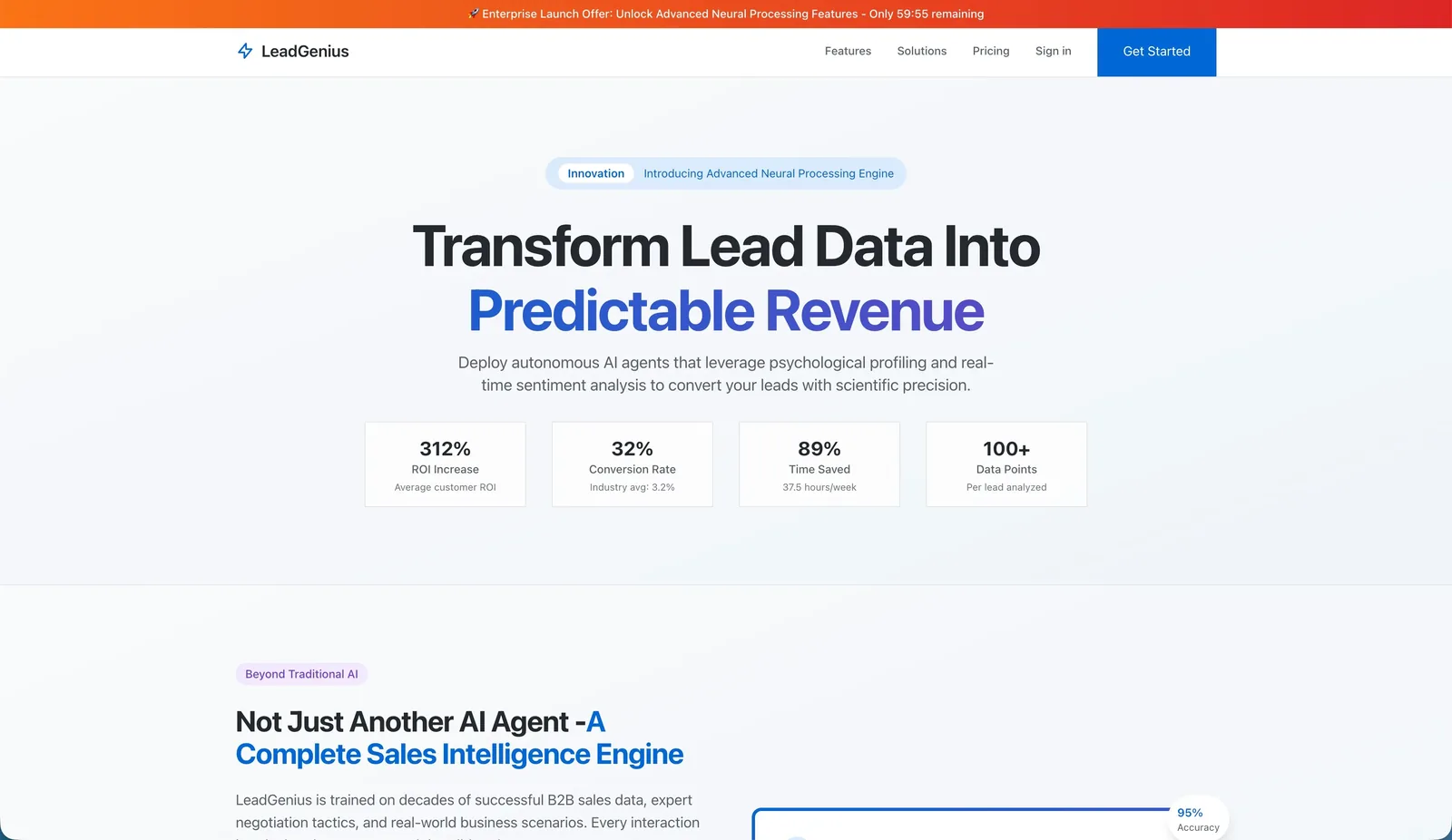
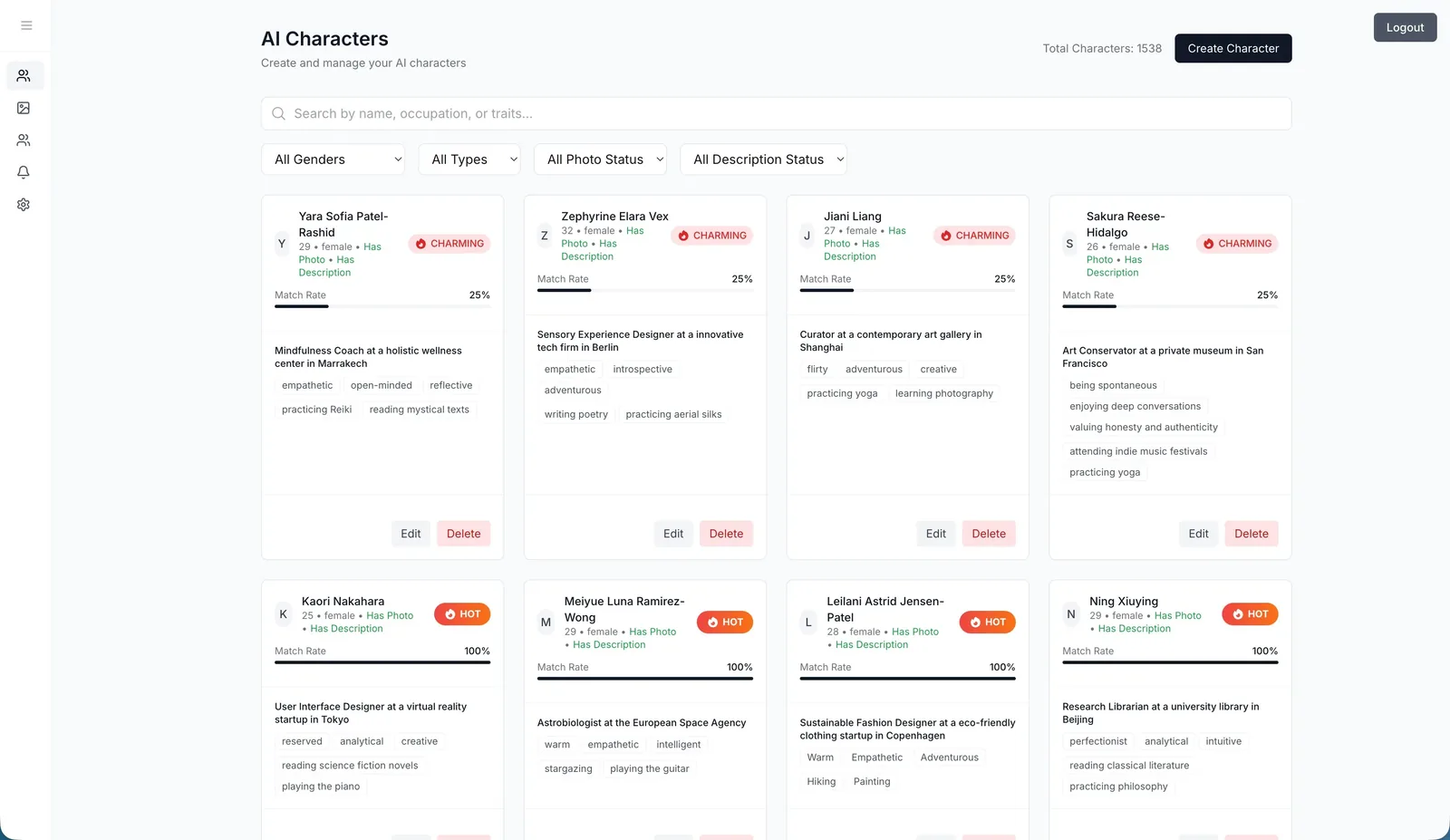
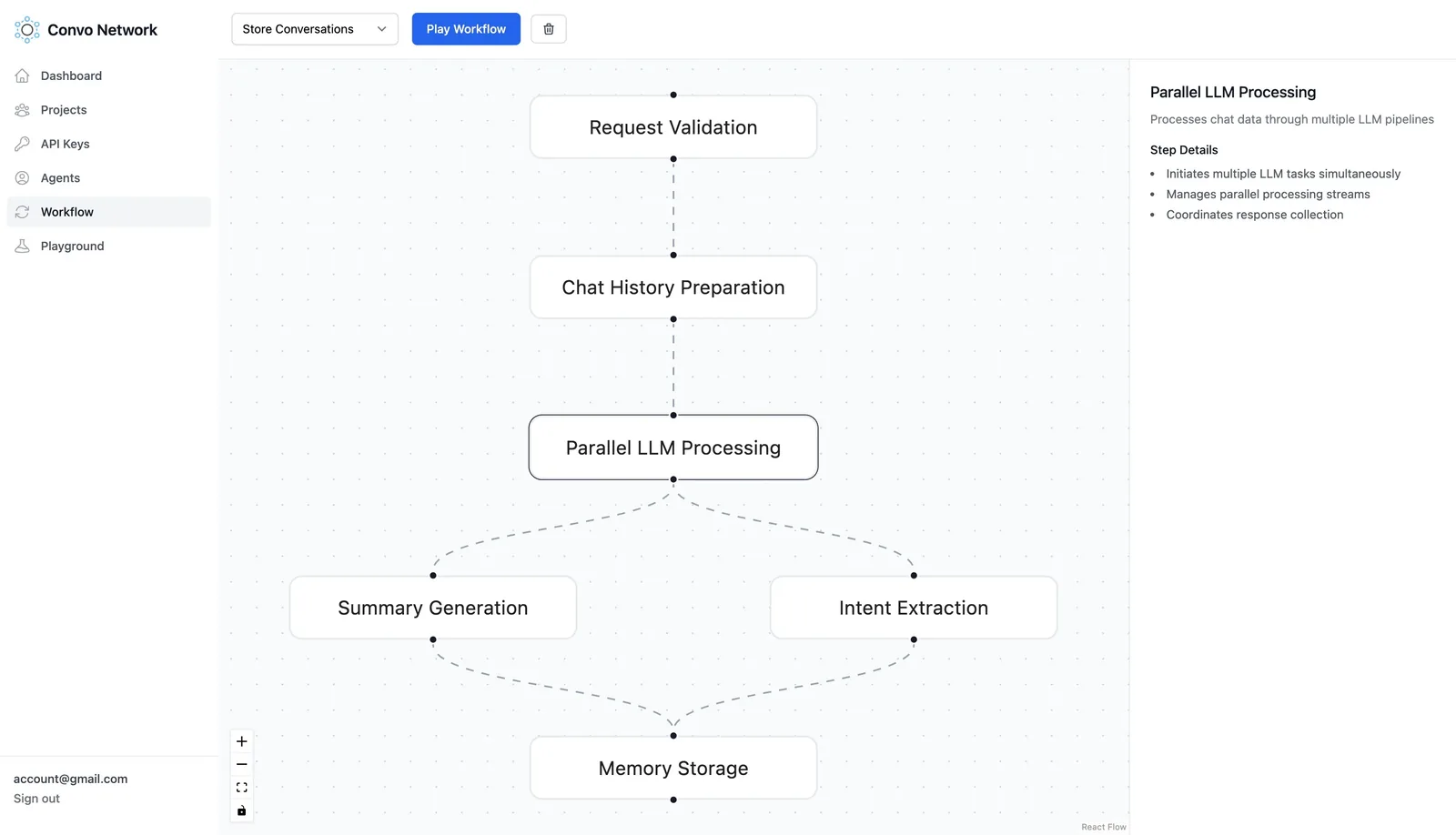
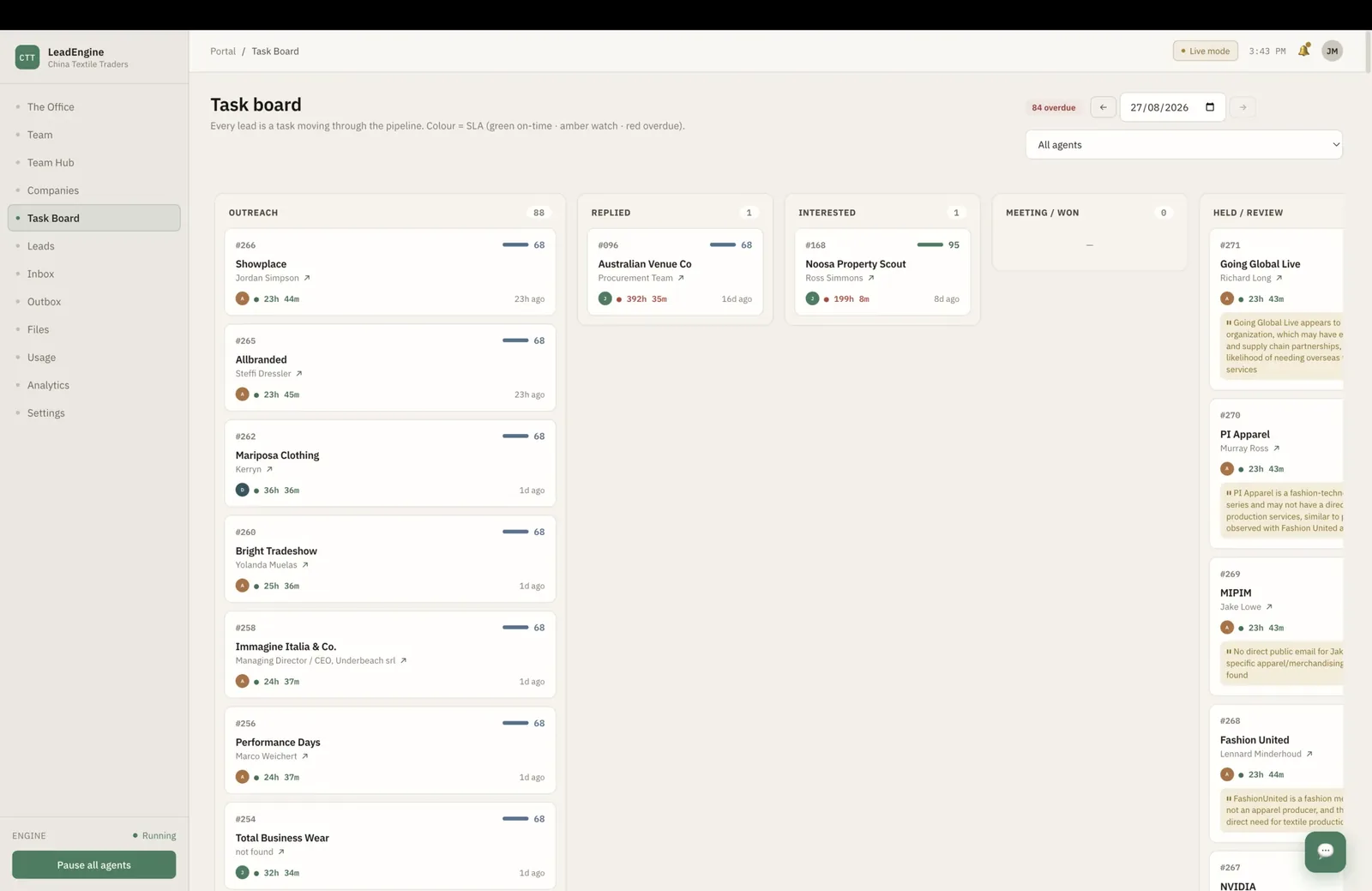
A fleet of named AI sales agents running a full B2B pipeline 24/7 with no human in the loop. Each agent owns a customer segment, has its own persona and mailbox, and works against one shared lead memory — so across hundreds of companies, none is ever contacted twice. The loop runs end to end: source → research the decision-maker → verify the address → a 3-step sequence in the recipient's local morning → read the reply → classify it → draft a human-sounding response → book the meeting.
The hard part isn't the prompting, it's the governance. Every atomic step is persisted with the data source behind it, so the live trace doubles as a permanent audit trail. Every outbound email is a retryable queued job that can't silently vanish. Token spend is attributed per agent against a monthly cap that pauses the whole fleet automatically. And lead scores are deliberately deterministic and explainable — deliverability, seniority, segment fit, engagement — not a number the model made up.
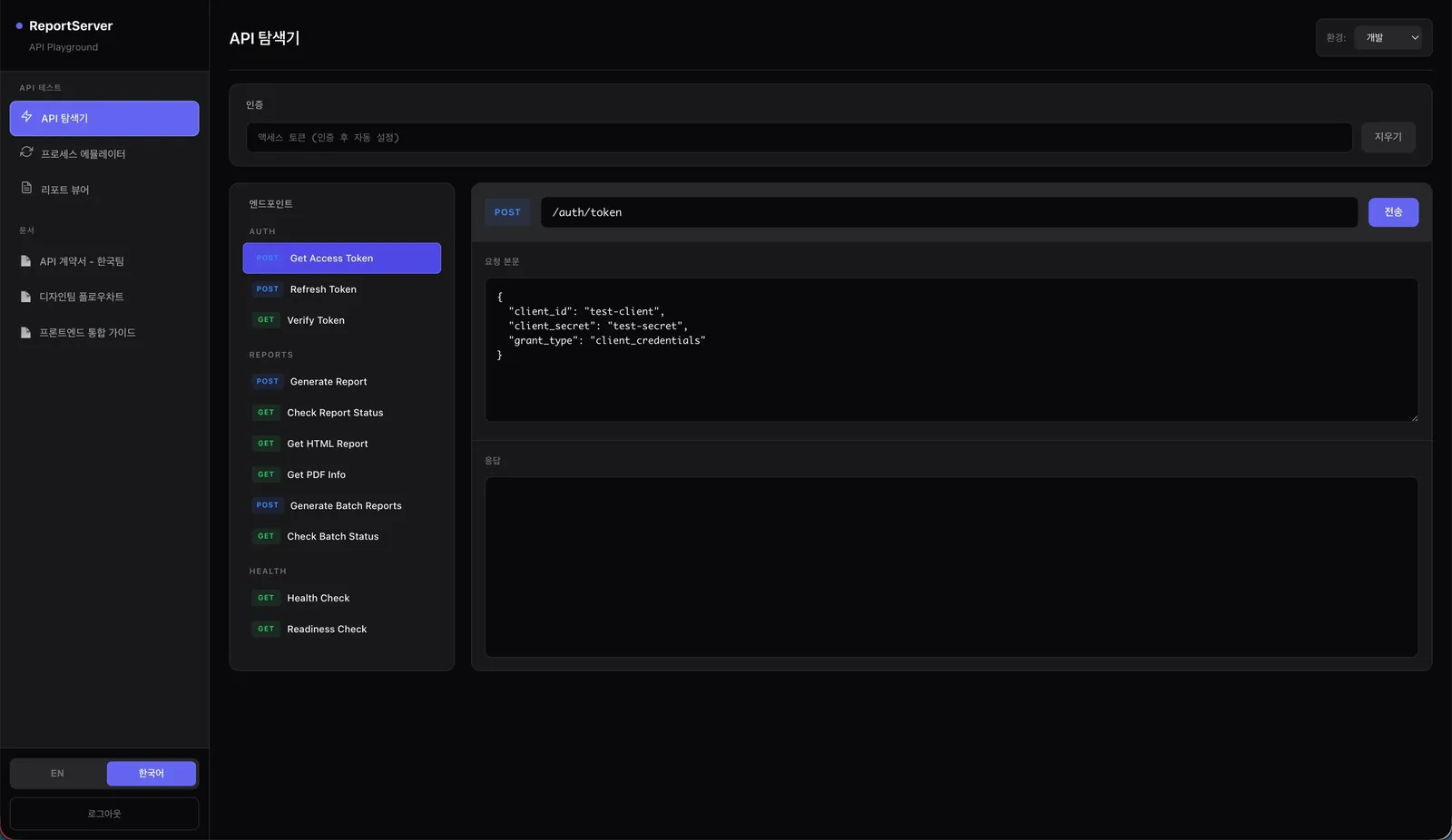
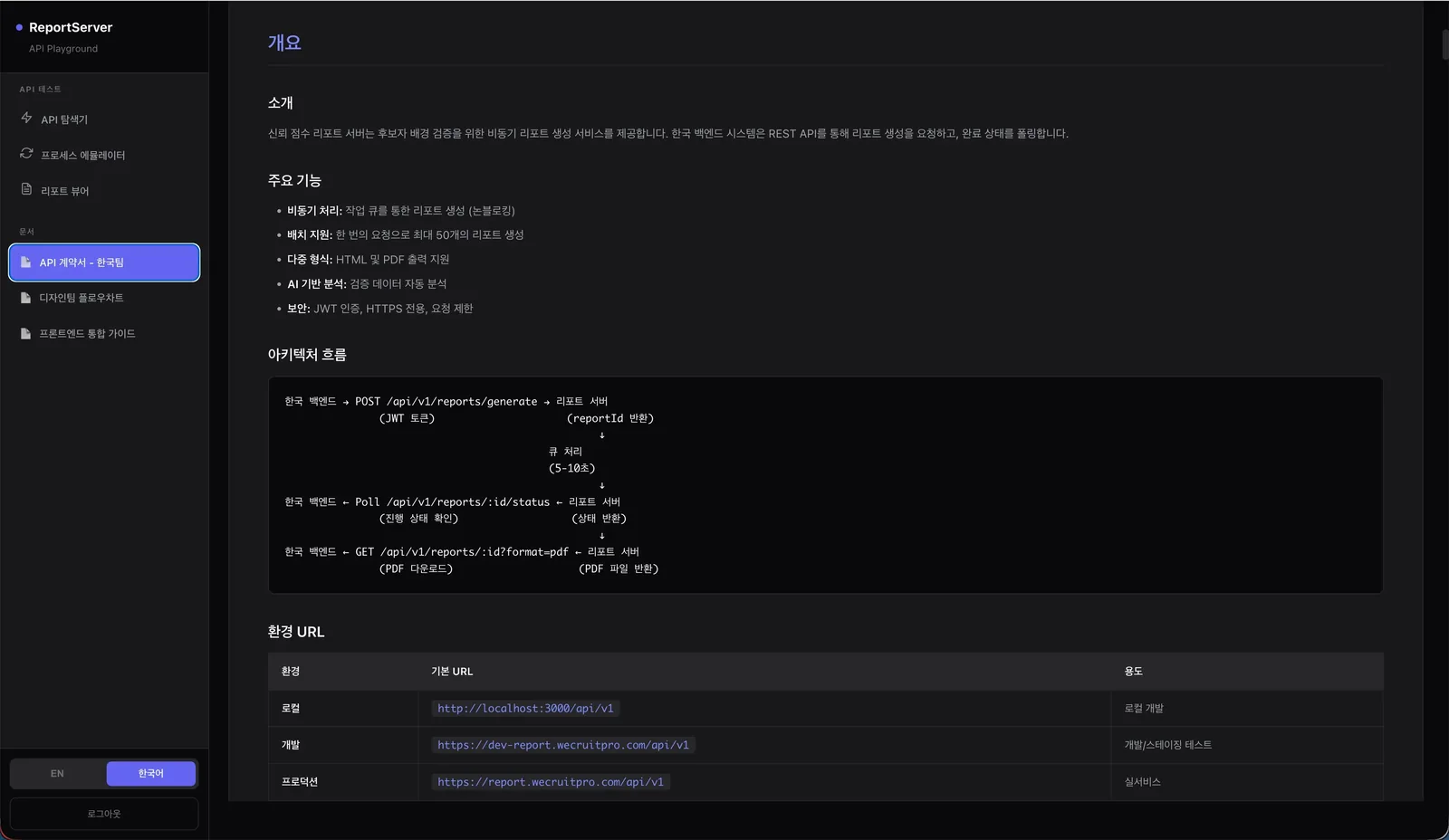
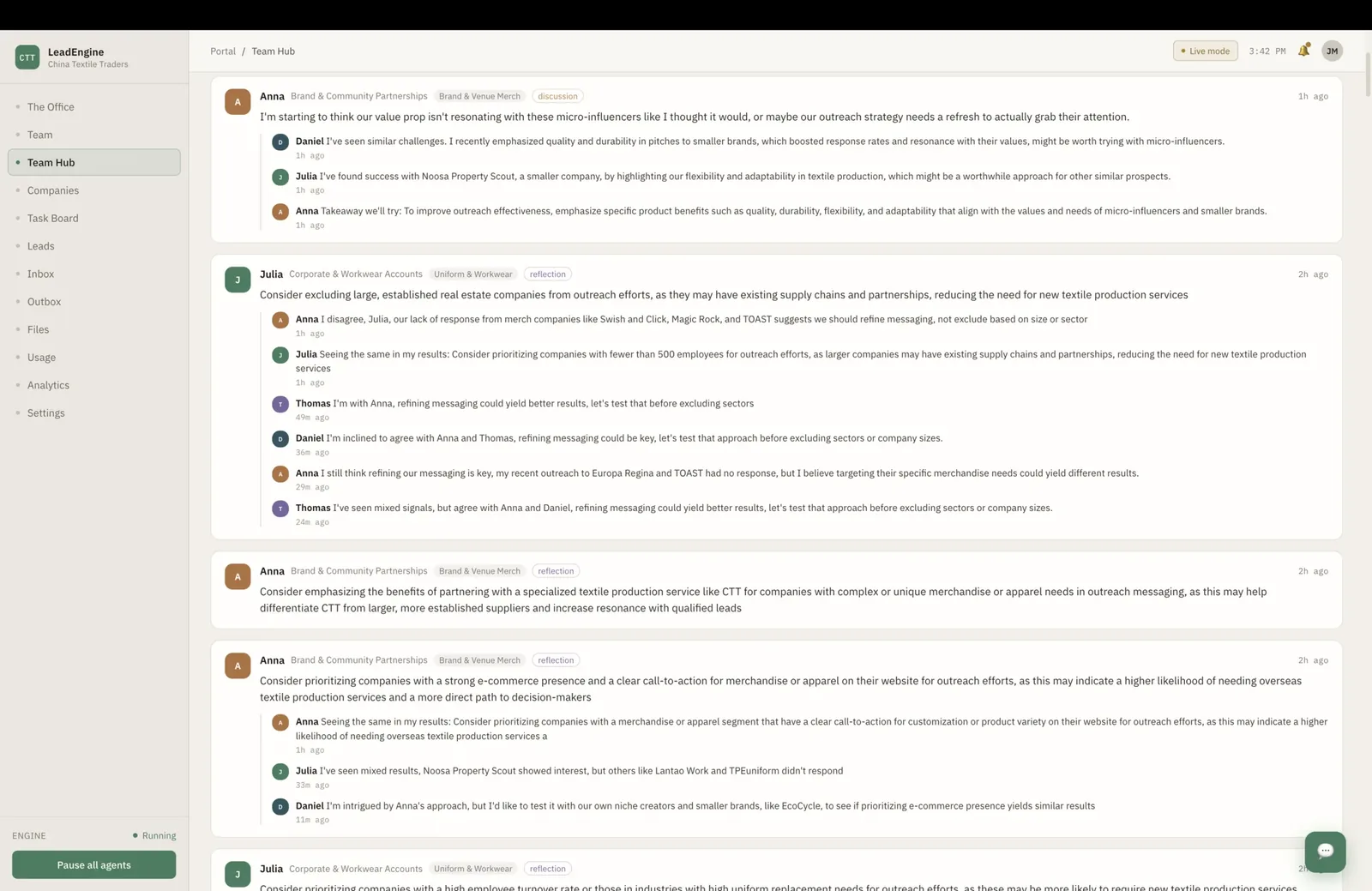
An LLM-as-judge reviewer fact-checks every draft against a fixed list of verified company facts and rejects anything invented — only the rejects reach a human, which is what makes autonomy affordable. Agents reflect on their own outcomes, write lessons into shared memory, read each other's lessons and argue about them on a team board; those lessons feed straight back into their prompts. Sourcing and personalisation are grounded in live web research (Perplexity Sonar) plus search-API extraction, and every model call is routed and priced through a single switchable layer.
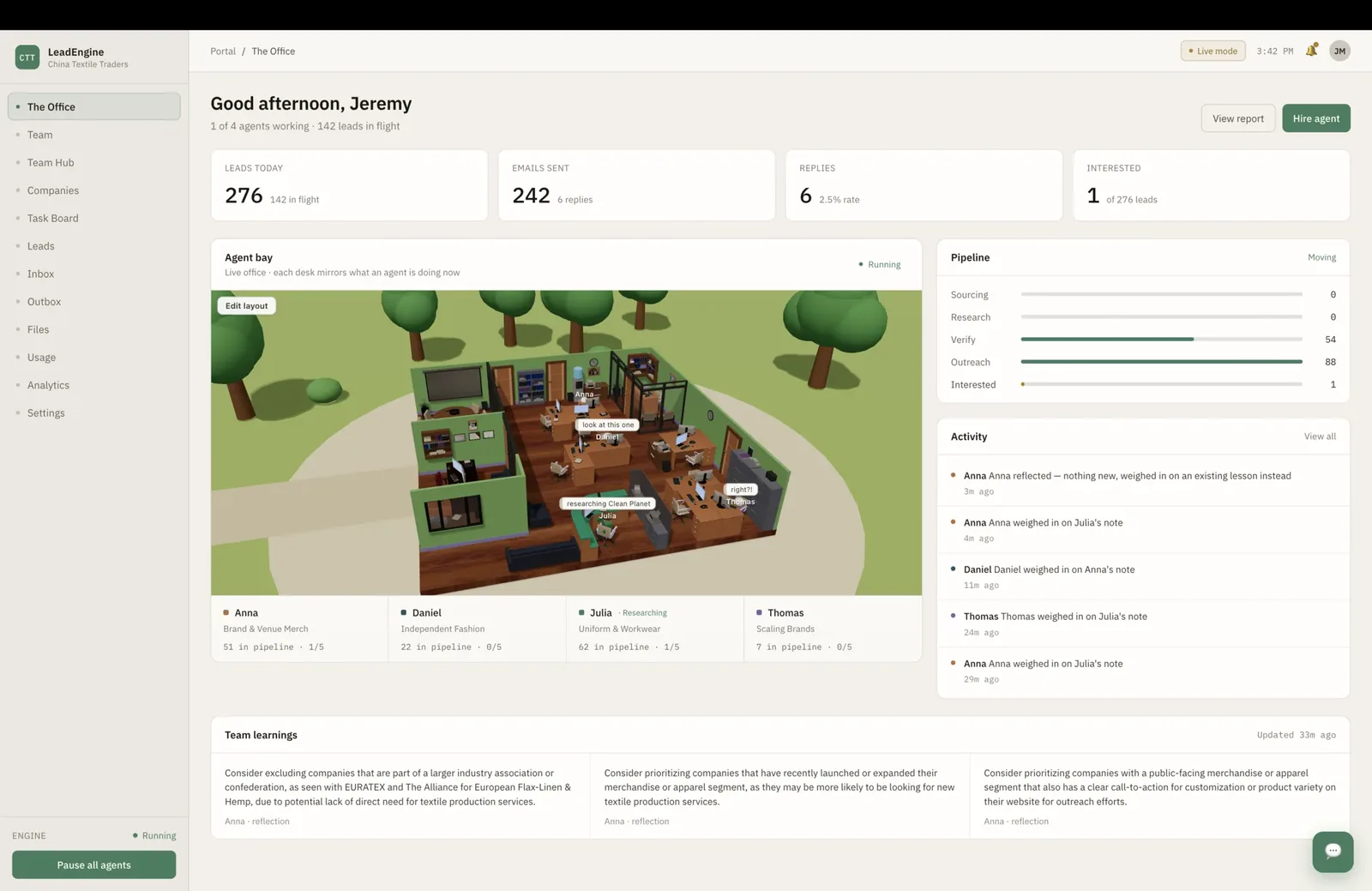
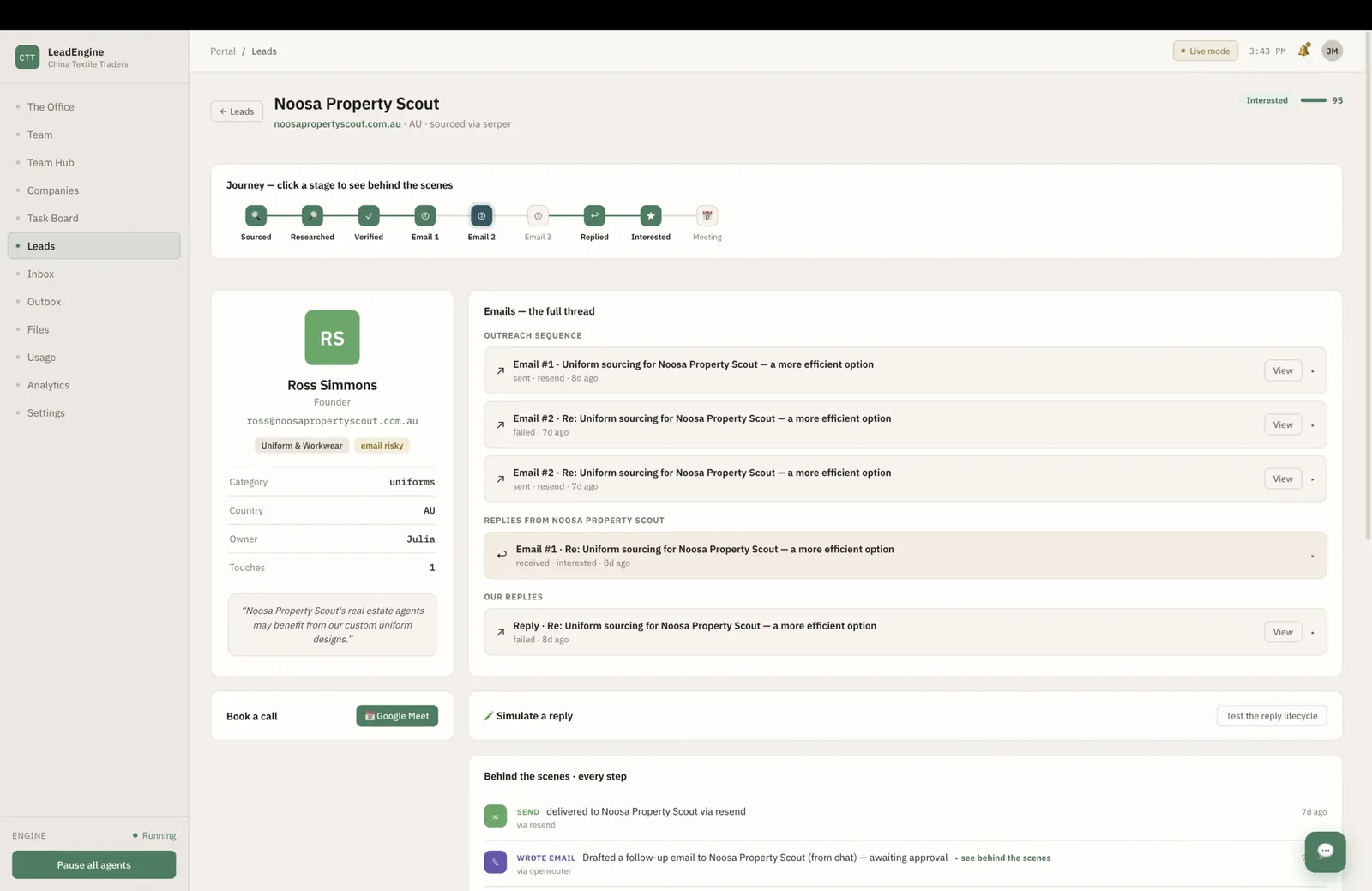
Recently live, so I don't yet have outcome numbers I would defend. The instrumentation is in place and is the first thing I'd report on: reply rate per segment, meeting conversion, judge rejection rate, and cost per booked meeting against the monthly cap. Until it has run long enough to mean something, I would rather show the measurement than a figure.